
On Blurbs
Maybe that endorsement was written by the attributed author. Maybe not.

I want the author whose book I’ve blurbed to tell me that what I’ve written is perfect, that no one could sum it up better. I want them to blurb my blurb.
I’m reading three books for endorsements. I imagine that truly famous writers receive scores of requests a month. It’s difficult to ask someone for an endorsement, and I certainly respect authors who say, “No, I’m sorry, I just can’t. I’m swamped.” That’s understandable. We’re all busy, and perhaps I shouldn’t have said yes to all three books I promised to blurb by next month. But I try to live up to my commitments, even when they’re a bit foolish. I admit that I don’t always read every word of a book I’ve been asked to endorse– Sometimes I am halfway through a book when the deadline approaches, but I feel that I have a strong enough sense of the book to say something sincere about it. My intention is often, though not always, to finish the book later.
Yesterday, I was told by a fellow author that the trend now (and perhaps for quite some time), is for authors to ask writers who approach them for a blurb to write it themselves, and then append the famous author’s name to it. I was a little dismayed by this revelation. I’m sure there are some readers who buy books because a famous author has written an endorsement. But I wonder how these readers would feel if they knew that the author who recommended the book hadn’t even read it and that the endorsement was written by the person who wrote the book. This then raises the question, if we are writing our own blurbs and sticking the names of more famous writers on them, doesn’t that devalue all endorsements?
I’m not one to judge my fellow authors, but I know that I couldn’t do this. I’d rather the author I approached for a blurb tell me they just don’t have the time than ask me to write my own (akin to writing one’s own letter of recommendation, another not unheard-of practice). When I’m overwhelmed and unable to write an endorsement, I’d rather just admit defeat, as I have a couple of times, and say, “I really wanted to write an endorsement for you, but I just finally was unable to meet your deadline. I’m sorry.” I know that’s disappointing, and it’s happened to me, too, but again, it’s understandable.
On the other hand, if lavish self-praise was good enough for Walt Whitman, it should be good enough for the rest of us. He famously wrote an unsigned review of Leaves of Grass in which he gave himself the equivalent of five stars: “No sniveler or tea-drinking poet, no puny clawback or prude is Walt Whitman. He will bring poems fit to fill the days and nights—fit for men and women with the attributes of throbbing blood and flesh…”
The currency of the blurb is hyperbole, and you don’t have to read many back covers to come across such stock phrases as “A stunning debut. The voice of her generation. I never wanted it to end.” I try to be honest in my blurbs – up to a point. You simply can’t write a half-hearted blurb:
“Robin Hemley has written a book with a promising premise and a smattering of lively sentences, though the book never quite came together for me. Perhaps others will feel differently.”
-Walt Whitman, Author of Leaves of Grass
I once wrote an absurd story from the point of view of someone who was a professional blurb writer. The story was a kind of “how to” manual for aspiring blurb writers. Truly, it was a virtuoso performance, unlike anything else in the annals of literature!
Sometimes I wonder what the value of blurbs are. I have a hard time imagining someone buying a book because I endorsed it. I hope someone has/will do so, but I have difficulty imagining it. I don’t think that I have ever bought a book because of a blurb – a review, yes, but not a blurb.
Still, I am always so grateful for the endorsements of other authors I respect. Some writers I’ve hit up multiple times, like my friend, David Shields, whom I’ve known for forty years. He wrote a blurb for my second book thirty years ago and he wrote a wonderful blurb for my fifteenth book last year. I should give poor David a break, no?
Sometimes I wonder if blurbs are simply sites of authorial anxiety about the fact that no one is reading their work. Are they akin to getting the popular kid to sign your yearbook? “You do you! Don’t ever change! See you in the Fall!” Two Pulitzer-Prize winning authors endorsed my last book, which thrilled me along with the other endorsements I received. These felt like a necessary ego boost, an accomplishment for someone toiling in a profession that is sometimes lonely and difficult. But the best endorsements are the endorsements of people who aren’t famous, those who tell me and their friends and complete strangers on Goodreads or Amazon how much my book meant to them.
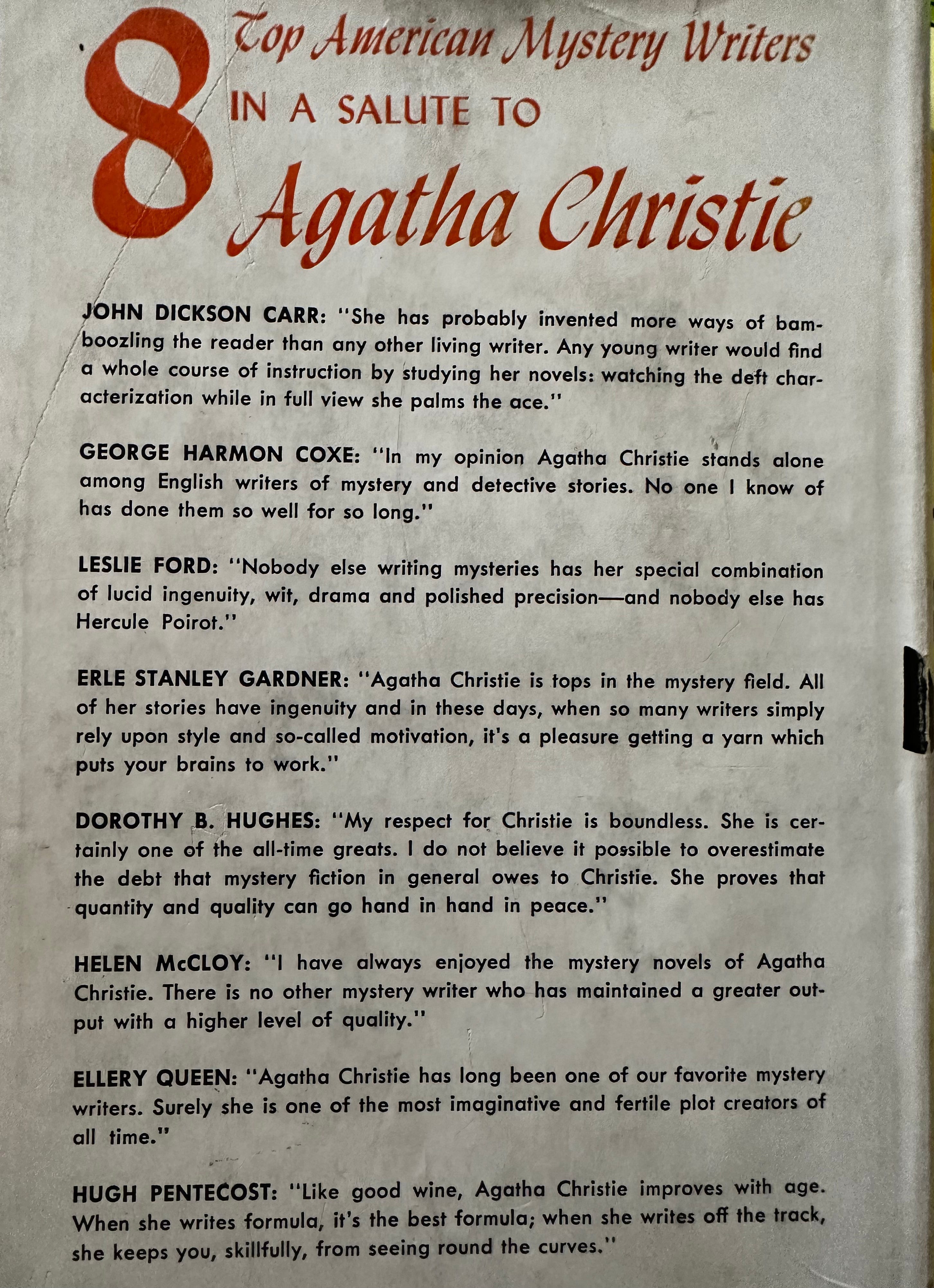
As an experiment, I decided to see what kind of blurb AI would write for one of the books I’m currently reading. The blurb wasn’t bad – it succinctly summarized the book in the way that some blurb writers do, and then it finished with some praise that was not overly lavish but respectable:
The ____________is a captivating tale of self-discovery and the search for meaning in a foreign land.
— AI, disputed author of a lot of stuff
I toyed for two seconds with the idea of using it. I don’t think the author would have known the difference, but I would. This doesn’t sound like me. I don’t write like that. “Captivating “ and “self-discovery” are not words I use. At the very least, I want the words I use to sound like words I would use. I want the author whose book I’ve blurbed to tell me that what I’ve written is perfect, that no one could sum it up better. I want them to blurb my blurb.
I know of some authors who refuse to write endorsements at all, for anyone. I know that I’m meant to admire this noble stance. But it feels a little too precious to me, the author so above the fray and busy with their own immortal prose that they can’t be bothered. Did they never ask anyone for an endorsement? They might not need anyone’s endorsement now, but they did at one time, and yes, it probably didn’t feel good asking Walt Whitman to give you a blurb, but you were so grateful when he came through for you. Remember that? No one likes to ask for endorsements, and their utility is debatable, but they still form a seemingly necessary rite of passage for any book that the author has toiled over for years. That blurb you write helps the writer just a little know that what they have written is appreciated (hopefully, sincerely) by someone whose opinion matters to them.